
Air conditioning plays a vital role in everyday comfort, especially in a warm and humid city like Miami. Once a new system is installed, many homeowners believe the job is finished. In reality, the period right after installation is just as important as the installation itself. A proper after installation checklist helps ensure the system works efficiently, lasts longer, and provides reliable cooling throughout the year.
This detailed guide explains what should be checked after air conditioner installation Miami homeowners rely on. It is written in simple language and focuses on practical steps that protect comfort, energy efficiency, and long term performance.
Why an After Installation Checklist Matters
After a new air conditioning system is installed, it needs to be carefully reviewed and adjusted. Even a well installed system can face issues if small details are overlooked. An after installation checklist helps identify problems early, before they turn into costly repairs or comfort issues.
In Miami’s climate, air conditioners often run for long hours. High humidity, salt in the air, and frequent use can place stress on a system. A proper checklist ensures the unit is ready to handle these conditions from day one. It also helps homeowners understand how their new system works and what to expect from it.
Checking the Overall System Setup
One of the first steps after air conditioner installation Miami homes require is a full review of the system setup. This includes checking that all components are correctly installed and positioned.
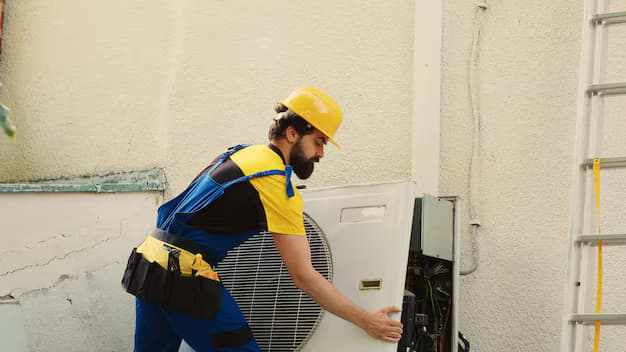
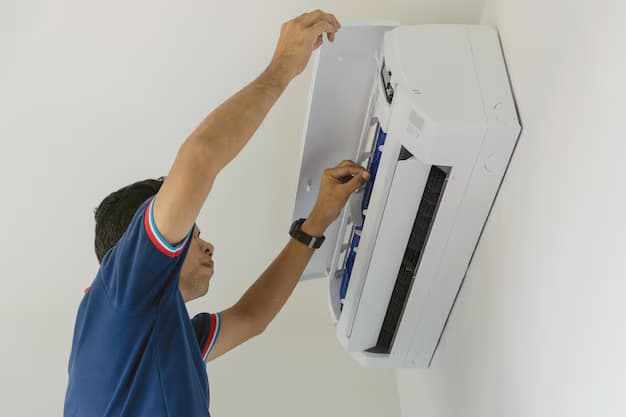
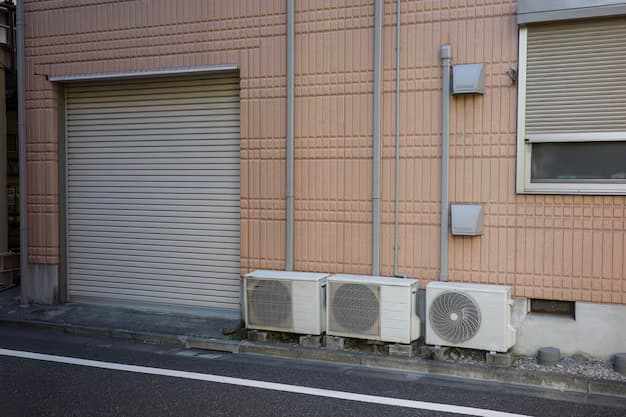
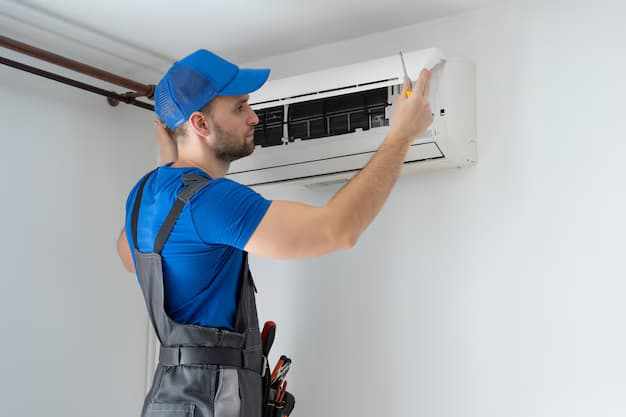
The indoor unit should be securely mounted and level. If it is not level, water may not drain properly, which can lead to moisture issues. The outdoor unit should sit on a stable surface with enough space around it for airflow. Proper spacing allows the system to release heat efficiently and prevents overheating.
All visible connections should look neat and secure. Wires should be organized, and pipes should be properly insulated. A clean and professional setup often reflects careful installation and reduces the risk of future problems.
Verifying Electrical Connections and Safety
Electrical safety is critical after any air conditioner installation. The system relies on a steady and safe power supply to operate correctly.
The circuit breaker should be properly labeled and matched to the system’s electrical needs. Loose connections can cause interruptions, reduced performance, or even safety hazards. Homeowners should ensure that the system powers on smoothly without flickering lights or unusual sounds.
It is also important to confirm that safety switches and protection devices are working as intended. These features help prevent damage during power surges or unexpected electrical issues, which can be common during storms in Miami.
Testing Airflow and Temperature Performance
Once the system is running, airflow and temperature should be tested throughout the home. This step ensures that cool air is reaching every room evenly.
Vents should deliver a steady flow of air without weak spots. If some rooms feel warmer than others, it may indicate airflow balance issues. Temperature settings on the thermostat should match the actual room temperature within a reasonable range.
Proper airflow is especially important in humid areas. When airflow is balanced, the system can remove moisture from the air more effectively, creating a cooler and more comfortable indoor environment.
Inspecting the Thermostat Setup
The thermostat acts as the control center for the air conditioning system. After installation, it should be carefully checked and programmed.
The thermostat should be placed in a location away from direct sunlight, heat sources, or drafts. This helps it read the indoor temperature accurately. Settings should be reviewed to ensure they match the homeowner’s comfort preferences and daily schedule.
Understanding Thermostat Modes and Settings
Many modern thermostats include multiple modes such as cooling, fan, and automatic operation. Homeowners should take time to understand what each mode does and when to use it.
Cooling mode controls temperature directly, while fan mode circulates air without cooling. Automatic settings allow the system to adjust itself based on indoor conditions. Knowing how to use these features helps improve comfort and reduce energy waste after air conditioner installation Miami residents depend on.
Checking Refrigerant Levels and Cooling Efficiency
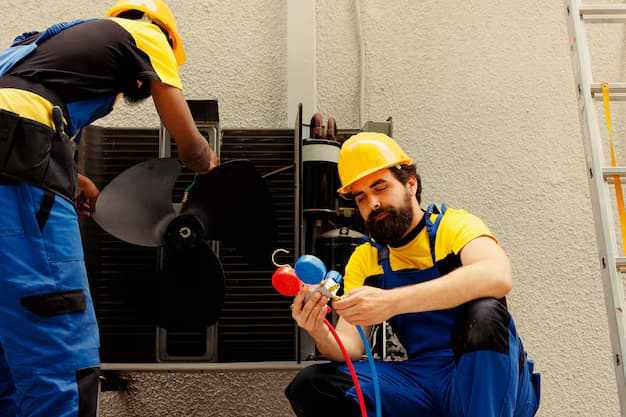
Refrigerant plays a key role in the cooling process. After installation, refrigerant levels should be verified to ensure the system can cool efficiently.
If refrigerant levels are too low or too high, the system may struggle to maintain the desired temperature. Signs of refrigerant issues include weak cooling, longer run times, or higher energy bills. Proper levels allow the system to operate smoothly and efficiently, even during Miami’s hottest days.
Although refrigerant checks are handled by professionals, homeowners should be aware of the importance of this step and ensure it was completed during the after installation process.
Inspecting Drainage and Moisture Control
Humidity control is a major concern in Miami homes. Air conditioners remove moisture from the air, and that moisture needs to drain properly.
The condensate drain line should be clear and securely connected. Water should flow freely without leaks or blockages. A clogged drain can cause water damage, mold growth, and system shutdowns.
Homeowners can periodically check for signs of moisture around the indoor unit. Keeping the drainage system clean supports healthy indoor air quality and protects the home from excess moisture.
Evaluating Ductwork and Air Distribution
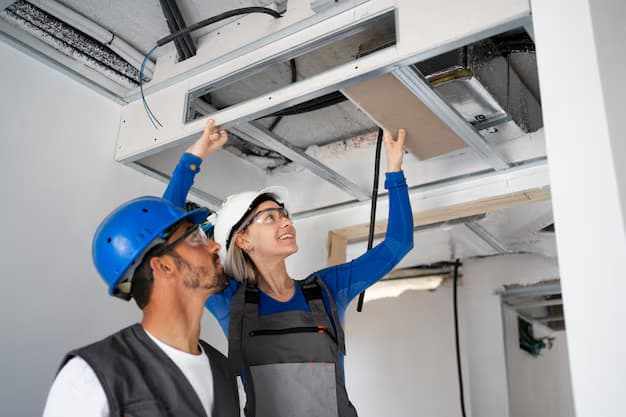
Ductwork plays a major role in how well an air conditioning system performs. After air conditioner installation Miami homeowners should ensure that ducts are properly connected and sealed.
Leaks or gaps in ductwork can cause cool air to escape before it reaches living spaces. This reduces efficiency and increases energy costs. All vents should be open and unobstructed by furniture or curtains.
Ensuring Balanced Cooling Throughout the Home
Balanced cooling means every room receives the right amount of air. Professionals often adjust dampers inside the duct system to achieve this balance.
If certain rooms feel uncomfortable, it may be necessary to fine tune airflow settings. Balanced air distribution improves comfort and reduces strain on the system, helping it last longer.
Listening for Unusual Sounds and Vibrations
A newly installed air conditioner should run relatively quietly. Some sound is normal, but loud or unusual noises should not be ignored.
Rattling, buzzing, or vibrating sounds can indicate loose parts or improper mounting. Addressing these issues early prevents further damage and ensures smooth operation.
Homeowners should listen to both the indoor and outdoor units during operation. Noticing changes in sound over time can also help identify maintenance needs before they become serious problems.
Reviewing Energy Efficiency and Initial Usage
After installation, it is helpful to monitor energy usage during the first few weeks. This provides insight into how efficiently the system is operating.
Energy bills should reflect improved efficiency compared to older systems. If bills are unexpectedly high, it may indicate settings that need adjustment or issues that require attention.
Using energy saving features such as programmable schedules and proper temperature settings can make a noticeable difference in overall performance. Efficient operation is one of the main benefits of a new system when air conditioner installation Miami homes require is done correctly.
Understanding Maintenance Needs After Installation
A new air conditioner still requires regular care. Homeowners should understand basic maintenance tasks and recommended service intervals.
Air filters should be checked and replaced as needed. Clean filters improve airflow and indoor air quality. Outdoor units should be kept free of debris such as leaves or dirt that can block airflow.
Scheduling regular professional inspections helps keep the system in good condition. Maintenance ensures that the benefits of a new installation continue for many years.
Educating Homeowners on System Operation
An often overlooked step after installation is homeowner education. Understanding how the system works helps prevent misuse and unnecessary wear.
Homeowners should know how to adjust settings, when to change filters, and what warning signs to watch for. Clear guidance builds confidence and encourages responsible use of the system.
When homeowners feel informed, they are more likely to enjoy consistent comfort and avoid common mistakes that reduce system lifespan.
A Smart Way to Protect Comfort and Investment
An after installation checklist is not just a formality. It is a practical way to protect comfort, efficiency, and the investment made in a new cooling system. From checking airflow and thermostat settings to understanding maintenance needs, each step plays a role in long term performance.
For homeowners seeking dependable results from air conditioner installation Miami properties need to handle intense heat and humidity, working with experienced professionals makes all the difference. A trusted service provider such as US1 AC REPAIR NORTH MIAMI understands the local climate and ensures every installation is followed by careful inspection and guidance. With expert support and a thorough after installation approach, homeowners can enjoy reliable cooling, lower energy costs, and peace of mind all year round. Contacting a knowledgeable team is the smart next step toward lasting comfort and confidence in a new air conditioning system.
Write a comment ...