
In today's world, homeowners and businesses are increasingly looking for ways to reduce energy consumption and cut down on utility bills. One of the most effective ways to do so is by investing in a ductless air conditioner. These systems not only offer precise control over indoor temperatures, but they can also significantly improve energy efficiency when compared to traditional HVAC systems.
In this article, we’ll explore how a ductless air conditioner works, its benefits in terms of energy savings, and why it may be the right choice for homeowners and business owners looking to optimize their energy use.
What is a Ductless Air Conditioner?
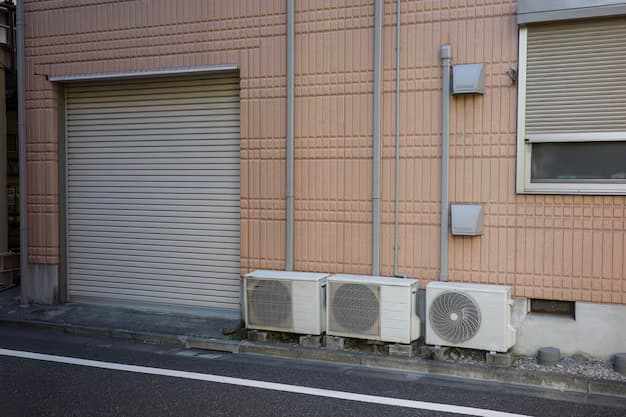
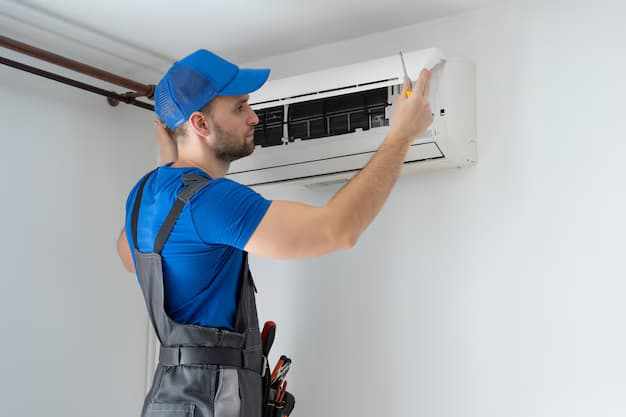
A ductless air conditioner, also known as a mini-split system, is a modern air conditioning solution that eliminates the need for ducts. Unlike traditional HVAC systems that require extensive ductwork to distribute cool air throughout a home or building, ductless systems consist of two main components: an outdoor compressor unit and one or more indoor air handling units. These units are connected by a small refrigerant line, allowing for independent control of the temperature in each zone or room.
Ductless systems are known for their energy efficiency because they deliver cool air directly into individual rooms, without the need for ducting that can lose a significant amount of energy. This makes them ideal for both residential and commercial spaces, especially in buildings where installing ductwork would be difficult or cost-prohibitive.
The Energy Efficiency of Ductless Air Conditioners
When it comes to energy savings, ductless air conditioners stand out for several key reasons. Traditional central air conditioning systems are often inefficient because they rely on a network of ducts that can leak air, leading to energy losses. Ductless systems, on the other hand, are more streamlined and focused, which means they deliver cool air directly where it's needed without any waste.
1. Zoning Capabilities
One of the biggest advantages of a ductless air conditioner is its zoning capability. With traditional systems, cooling or heating is done uniformly throughout the house, regardless of whether a particular room is in use. This can lead to energy waste as rooms that are not occupied still require cooling or heating.
Ductless systems, however, allow homeowners or business owners to set different temperatures in different rooms, or zones. For example, if you’re only using the living room and kitchen, you can focus the cooling power on these areas while leaving the rest of the house untouched. This can drastically reduce energy consumption because it allows for more targeted and efficient use of energy.
2. No Duct Loss
In a traditional air conditioning system, the air has to travel through ducts that can often be poorly insulated or have leaks. These issues lead to a loss of cool air, meaning your system has to work harder to maintain the desired temperature. This inefficiency results in higher energy consumption and increased utility bills.
A ductless air conditioner eliminates this problem entirely. Since there are no ducts to lose air through, the cooling process is more efficient. The air is delivered directly to the room through the indoor unit, and the loss of energy is minimized. This can result in a notable reduction in energy bills, especially over time.
3. Inverter Technology
Many modern ductless air conditioning systems come equipped with inverter technology. Inverters allow the compressor to adjust its speed according to the cooling demand. Traditional air conditioners operate at a constant speed, turning off and on as needed. This constant cycling uses more energy and leads to higher energy consumption.
Ductless systems with inverter technology, however, can maintain a consistent temperature by continuously adjusting the compressor’s speed, which is more energy-efficient. The ability to operate at variable speeds means the system uses only the necessary amount of energy to maintain the desired temperature, avoiding unnecessary energy consumption.
4. Improved Air Quality
Ductless air conditioners also contribute to better energy efficiency by improving the overall air quality inside a building. Traditional HVAC systems can accumulate dust, mold, and allergens in the ducts, which can then be circulated throughout the building. This often leads to inefficiency in airflow and can make the system work harder to maintain air quality.
Because ductless systems don’t have ducts, there’s less opportunity for dirt and debris to build up. This leads to cleaner air, which helps the system run more efficiently. Additionally, most ductless systems come with advanced filtration, further improving indoor air quality and ensuring the system is not burdened by airborne contaminants.
The Environmental Benefits of Ductless Air Conditioners
Apart from the financial advantages, ductless air conditioners also provide substantial environmental benefits. By reducing energy consumption, these systems lower the carbon footprint of the building. Traditional air conditioning systems use more energy, which often comes from non-renewable resources. In contrast, energy-efficient ductless systems consume less power, which can help reduce overall greenhouse gas emissions.
Moreover, the refrigerants used in modern ductless systems are much more environmentally friendly than older systems. Advances in technology have led to refrigerants that are less harmful to the ozone layer and have a lower global warming potential. This makes ductless air conditioners a greener choice for those looking to reduce their environmental impact.
Installation and Maintenance of Ductless Air Conditioners
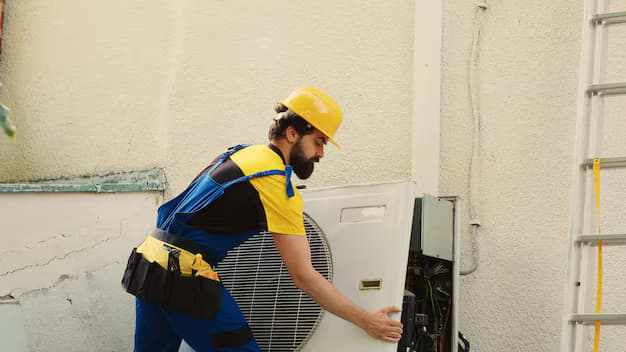
While the initial installation of a ductless air conditioner might seem complex, it is often faster and less invasive than installing traditional HVAC systems. There’s no need to retrofit ductwork throughout the building, which means there’s less disruption during the installation process. The system can be installed in a matter of days, depending on the size of the building and the number of units needed.
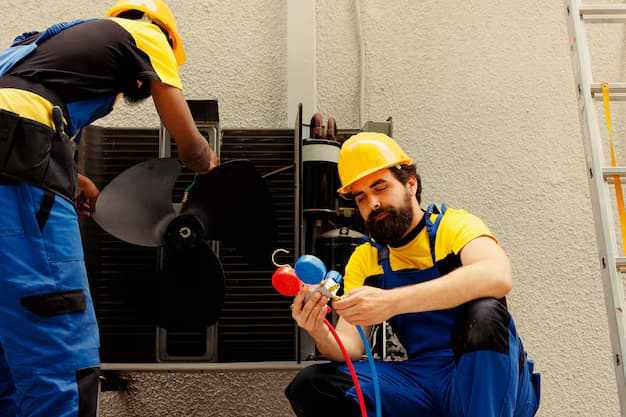
Additionally, ductless systems are relatively easy to maintain. Filters should be cleaned or replaced regularly, and the outdoor unit should be kept free of debris. These tasks are typically simple and cost-effective. Because there are fewer moving parts than in traditional systems, ductless units are also less prone to breakdowns, leading to fewer repair costs over time.
Cost Savings Over Time
Though the upfront cost of a ductless air conditioner might be higher than a traditional window unit or a central air system, the long-term savings often outweigh the initial investment. The energy-efficient features of ductless systems lead to lower monthly utility bills, which can result in significant savings over the lifespan of the system.
Moreover, the reduced need for repairs and the extended lifespan of ductless air conditioners mean that these systems can provide reliable performance for years. When factoring in lower energy bills and reduced maintenance costs, a ductless system often proves to be the more cost-effective choice in the long run.
Is a Ductless Air Conditioner Right for You?
Ductless air conditioners are ideal for many different types of buildings. They’re particularly well-suited for homes or spaces that lack existing ductwork, such as older buildings or additions. They're also great for apartments, small houses, or multi-family units where individual control of room temperatures is desired.
Additionally, businesses that need precise temperature control in different areas can benefit from ductless systems. Retail stores, offices, and restaurants can take advantage of the zoning capabilities to focus cooling or heating efforts where it’s most needed.
Wrapping Up
In conclusion, ductless air conditioners offer numerous advantages when it comes to improving energy efficiency. Their zoning capabilities, elimination of duct losses, use of inverter technology, and better air quality all contribute to significant energy savings. These systems not only reduce utility bills but also have positive environmental impacts by lowering overall energy consumption and carbon footprints.
For homeowners and business owners looking to improve the efficiency of their cooling systems, a ductless air conditioner is a smart choice. Whether you're seeking to reduce your monthly bills or simply want a more sustainable and energy-efficient way to stay cool, this system provides the flexibility and performance you need.
For those in North Miami and surrounding areas, US1 AC Repair North Miami offers expert installation, maintenance, and repair services for ductless air conditioning systems. Contact them today to explore how a ductless system can transform your energy efficiency and save you money.


Write a comment ...