
When it comes to climate control in a city like Miami, where the heat and humidity can make traditional air conditioning a challenge, ductless HVAC systems have emerged as a game-changer. These systems provide an efficient and flexible way to cool (and heat) homes and businesses while addressing some of the common issues associated with conventional HVAC units. Whether you’re building a new home, renovating an existing space, or simply upgrading your current HVAC system, understanding how ductless HVAC Miami work and why they’re ideal for Miami’s unique climate can help you make an informed decision.
What is a Ductless HVAC System?
A ductless HVAC system, also known as a ductless mini-split system, is a modern air conditioning solution that does not require ductwork to deliver heating or cooling. Instead, it uses individual units (usually one per room or zone) connected to an outdoor compressor unit. The system operates quietly, efficiently, and with the ability to control temperatures in separate zones.
The two main components of a ductless HVAC system are:
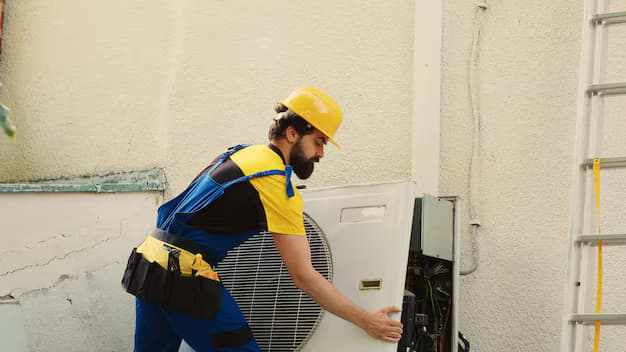
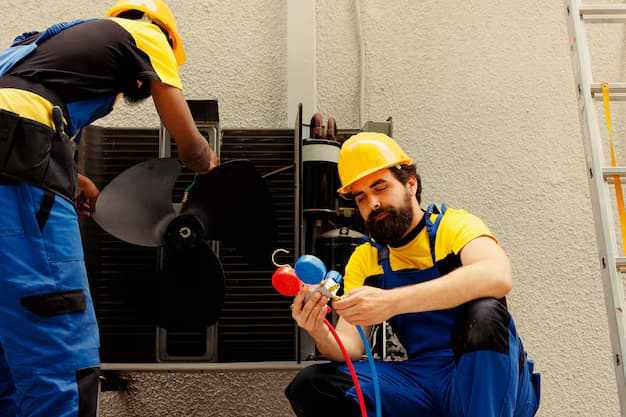
The Outdoor Unit (Compressor): This unit houses the compressor and condenser coils. It’s responsible for compressing the refrigerant, expelling heat, and keeping the entire system running smoothly.
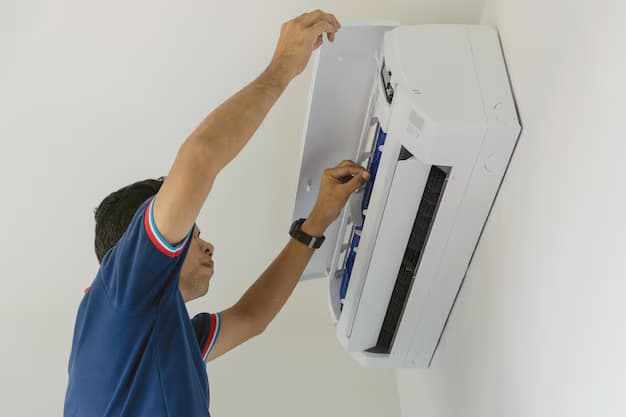
The Indoor Unit (Air Handler): These are the sleek, wall-mounted units you see inside the living or working space. They’re designed to quietly blow cool (or warm) air into the room.
In many cases, these systems are set up with multiple indoor units connected to a single outdoor unit, allowing for greater customization of heating and cooling per room.
How Does a Ductless HVAC System Work?
The basic operation of a ductless HVAC system follows a straightforward process:
Cooling Mode:
The outdoor unit draws in warm air from the outside and uses refrigerant to absorb heat from inside the room.
The refrigerant then travels through the lines to the indoor air handler, which cools the air and returns it to the room, creating a comfortable environment.
This process is highly efficient because the refrigerant is constantly being recycled, which reduces energy consumption.
Heating Mode:
During cooler months, ductless systems can reverse the refrigeration cycle. Instead of cooling the air, the system extracts heat from the outside air (even when temperatures are relatively low) and transfers it inside.
This method of heating is energy-efficient, as it doesn’t rely on burning fuel or electric resistance heating but instead uses the ambient heat from outside.
Temperature Control & Zoning:
One of the key benefits of a ductless HVAC system is zoning. Each indoor unit can be controlled independently, allowing for personalized temperature settings in different rooms. This is particularly beneficial for larger homes or spaces that are used differently throughout the day.
Zoning also results in lower energy bills because there’s no need to cool or heat rooms that are unoccupied.
Key Benefits of Ductless HVAC Systems
While ductless HVAC systems are versatile and energy-efficient in many settings, they offer particular advantages in places like Miami. The following are some of the key benefits:
1. Efficiency in High-Humidity Climates
Miami’s tropical climate is characterized by high temperatures and significant humidity. Ductless systems are more adept at controlling humidity levels than traditional HVAC systems, as they can operate continuously without over-drying the air. This helps keep the indoor air at a comfortable level, which is crucial in a city with year-round humidity like Miami.
The outdoor units are designed to be energy-efficient, ensuring that they do not consume excessive power. This means that you get effective cooling without seeing skyrocketing energy bills—something that’s essential when you’re running an air conditioner for months at a time.
2. Zoning for Flexibility
As mentioned earlier, ductless systems provide zoning capabilities that allow you to cool specific areas independently. This is especially useful in Miami, where different rooms may have varying needs. For example, a living room may need to be cooler in the middle of the day, while a bedroom only requires cooling at night. Ductless systems provide the flexibility to meet these different requirements without having to waste energy cooling an entire home or building.
3. Easy Installation & Aesthetic Appeal
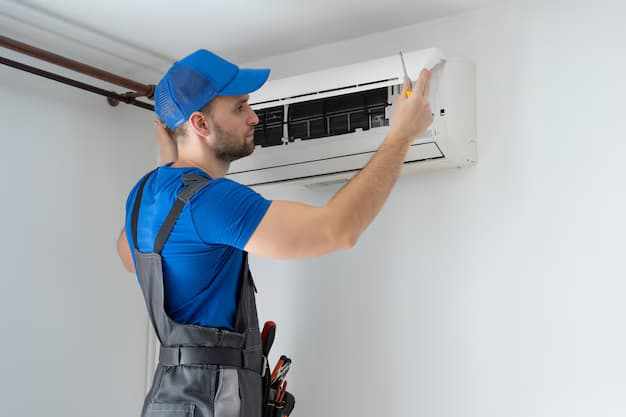
Traditional HVAC systems require extensive ductwork, which can be costly and invasive to install, particularly in homes that were not originally built with ducts. On the other hand, ductless systems are relatively simple to install. The minimal construction required makes them ideal for retrofitting older homes or buildings that weren’t designed with central air.
The air handlers are sleek and unobtrusive, often mounted high on the wall, giving them an attractive, modern look. Their compact size allows them to blend seamlessly into any interior design, making them a popular choice for those who are concerned about the aesthetics of their space.
4. Reduced Energy Bills
One of the most significant advantages of ductless HVAC systems is their energy efficiency. Without ducts, there is less risk of losing energy through leaks or poor insulation, a problem that plagues traditional systems. Ducts can lose up to 30% of energy, especially if they’re not properly sealed or insulated. Since ductless systems don’t rely on ductwork, they avoid this energy waste.
In Miami, where air conditioning is used frequently, saving on energy costs is a top priority. Ductless HVAC systems help homeowners and businesses reduce their overall energy consumption, leading to lower utility bills while still providing superior comfort.
5. Quiet Operation
Miami’s vibrant city life can sometimes make noise an issue, but the last thing anyone wants is a noisy air conditioning system. Ductless units are known for their quiet operation. Unlike traditional systems that often generate loud noises when cycling on and off, the indoor air handlers of ductless systems operate at a whisper-quiet level, allowing you to enjoy a peaceful environment.
Why Ductless HVAC Systems are Ideal for Miami
The hot and humid Miami weather places a constant demand on cooling systems, but the city also faces occasional cool spells in the winter. Ductless systems are designed to provide efficient heating and cooling all year round, making them perfect for Miami’s fluctuating temperatures. Their versatility and efficiency make them a perfect match for the city’s needs, particularly for residents and businesses that want to save energy and reduce their carbon footprint.
The city’s growing popularity and development also mean that more people are looking for ways to control their indoor climate without major renovations. Ductless HVAC systems offer an elegant solution for both new construction and existing properties, allowing Miami residents to achieve optimal comfort without the hassle of bulky ductwork.
Conclusion: Making the Switch to Ductless HVAC Systems in Miami
As Miami continues to grow, the need for efficient, flexible, and eco-friendly climate control systems becomes even more critical. Ductless HVAC systems provide an ideal solution for homeowners and business owners alike, offering personalized comfort, reduced energy consumption, and quiet operation, all while adapting to the demands of Miami’s climate.
If you’re ready to experience the benefits of a ductless HVAC system in Miami, US1 Air Conditioning is here to help. With expert installation and ongoing support, they ensure your home or business remains comfortable all year long. Get in touch with US1 Air Conditioning today and take the first step towards a more energy-efficient and comfortable space.



Write a comment ...